
Knowledge base
Charpy impact testing of bolting materials
What impact energy tells you about toughness at low temperatures
Term explained
What impact energy tells you about toughness at low temperatures
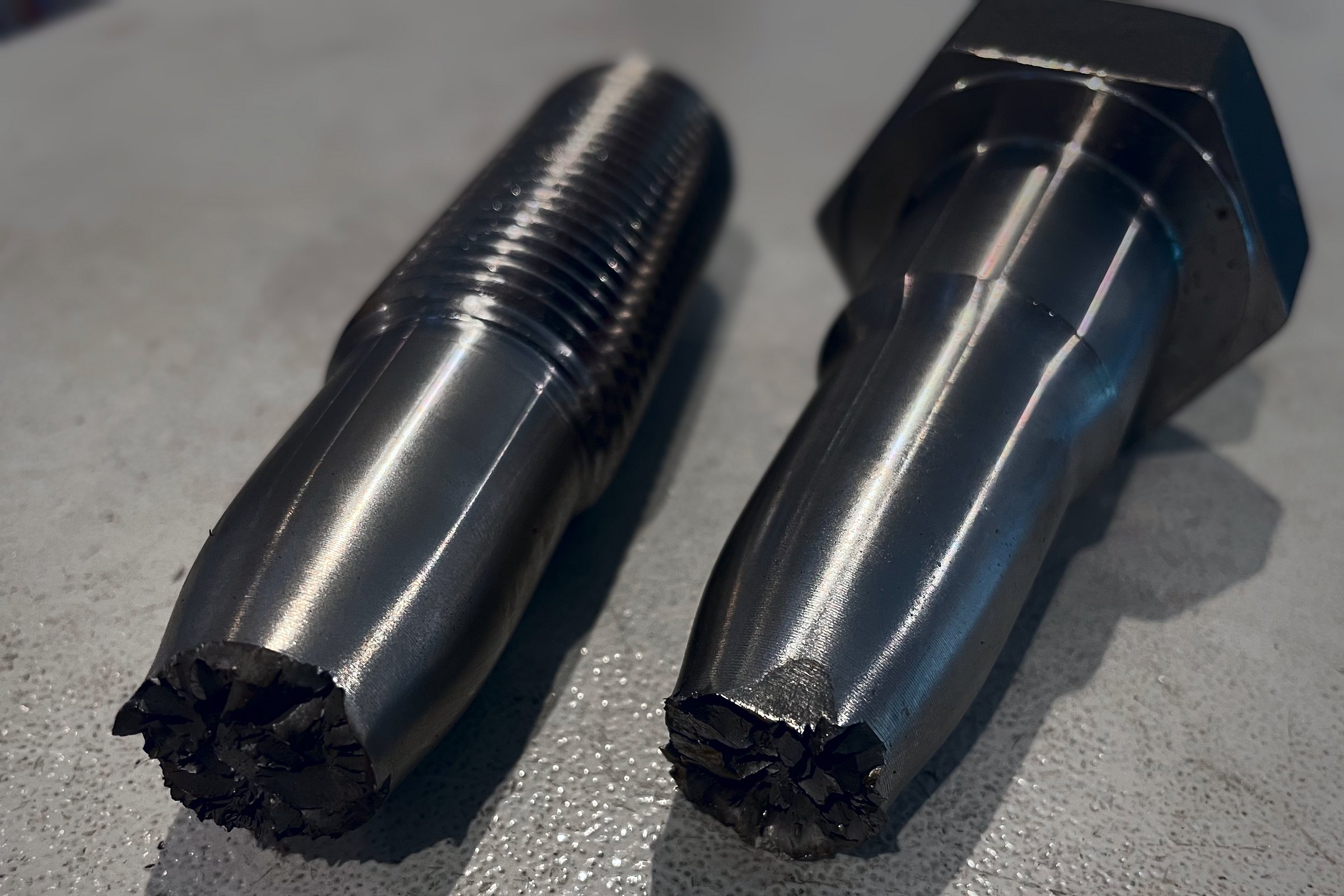
The Charpy impact test to ISO 148-1 or ASTM E23 measures how much energy a material absorbs when fractured by a sudden impact. A standardised specimen with a V-notch is broken by a pendulum hammer; the energy absorbed, in joules, is the impact energy. It describes the toughness of the material, i.e. its ability to deform plastically before it fractures rather than cracking in a brittle manner. Because steels become more brittle as the temperature falls, the test is carried out at the temperature that occurs in service. RS Randack tests in its own materials laboratory at room temperature and down to –70 °C; tests down to –196 °C are carried out through an accredited partner laboratory.
Why impact energy is required for bolts
In service, a bolt carries tensile stress, often combined with vibration and shocks. At low temperatures, a steel with adequate tensile strength can still fracture in a brittle manner if the temperature falls below its ductile-to-brittle transition temperature, where its toughness drops sharply. Codes for pressure equipment, offshore and shipbuilding, refrigeration, gas installations and railways therefore require proof of a minimum impact energy at the lowest operating temperature, for example 27 J at –20 °C or higher values at –40 °C and below. The material standard EN 10269 for fasteners at elevated and low temperatures and American grades such as ASTM A320 L7 specify such values.
How the test is carried out at RS Randack
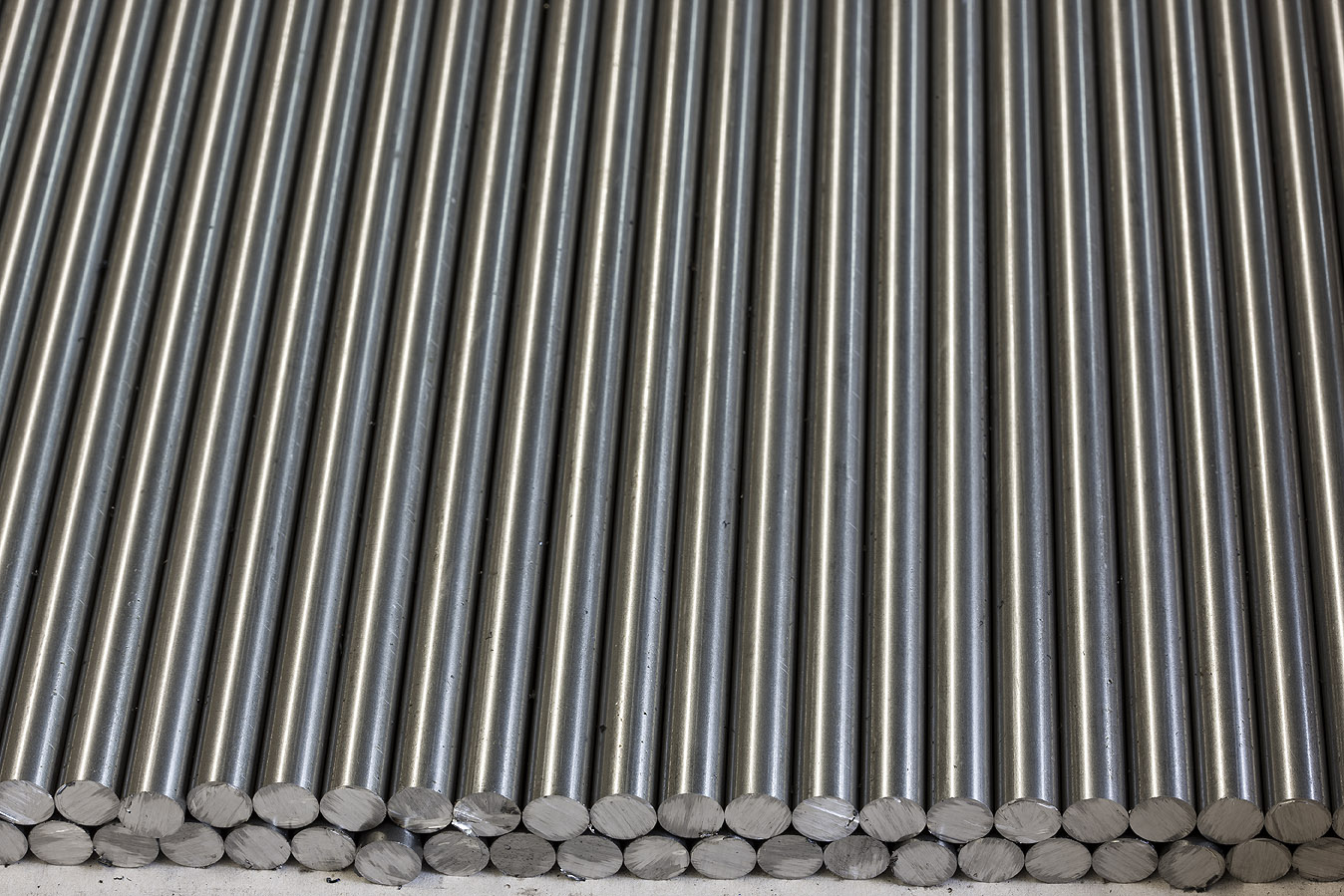
- Specimen: Specimens measuring 10 × 10 mm with a V-notch are machined from the test bar that has passed through all production steps with the lot, or from a bolt from the lot; for this, the test bar is at least 55 mm long. As a rule, a set of three specimens is tested.
- Conditioning: The specimens are cooled to the test temperature in a cooling bath, down to –70 °C at RS Randack, and broken within a few seconds so that they do not warm up.
- Impact: The 300 J pendulum impact tester strikes the specimen on the side opposite the notch and breaks it; the display shows the impact energy for each specimen.
- Evaluation: The mean value and the individual values are compared with the requirement and documented in the 3.1 or 3.2 inspection certificate. For a 3.2 inspection, the inspector witnesses the test.
Which materials achieve high toughness at low temperatures?
Nickel-alloyed Q&T steels such as 30CrNiMo8 (1.6580) and 34CrNiMo6 retain their toughness at low temperatures better than unalloyed steels; L7-type materials are specified down to –101 °C. Austenitic stainless steels and nickel-based alloys remain tough down to the temperatures of liquefied gases and are therefore tested at –196 °C. Besides the material, heat treatment is decisive: excessive strength reduces toughness, which is why property class and impact requirement must be specified together.
Impact energy, tensile test and hardness: how do they fit together?
The tensile test provides strength and elongation under slow loading, hardness testing provides quick verification of the quenched and tempered condition for each batch, and the Charpy impact test provides toughness under sudden loading and at low temperatures. Only together do they show whether a material is suitable for a bolted joint at low temperature. All three tests are carried out in RS Randack’s own laboratory, along with metallographic examination, chemical analysis and non-destructive testing; see Testing and materials laboratory.
What to specify in your enquiry
- Test temperature and required minimum impact energy (mean value and lowest individual value)
- Standard or specification (ISO 148-1, EN 10269, ASTM A320) and specimen location
- Preferred material or service temperature, property class
- Certificate type and whether the test is to be witnessed by the inspector
Frequently asked questions
Questions and answers about the Charpy impact test
Down to what temperature does RS Randack test impact energy?
In our own laboratory down to –70 °C with a cooling bath. Lower test temperatures down to –196 °C are carried out through an accredited partner laboratory and stated on the certificate.
What does 27 J at –20 °C mean?
At –20 °C, the specimens must absorb an average of at least 27 joules of impact energy before they fracture. This is a common minimum requirement for tough structural steels; bolting materials for pressure equipment and offshore are often considerably higher.
Can the Charpy impact test be carried out on the finished bolt?
The specimen is machined from the companion test bar or from a bolt from the lot; the bolt itself is destroyed in the process. That is why at RS Randack at least one test bar from the same heat accompanies every lot, and always for parts subject to third-party inspection.
Enquire about bolts with Charpy impact verification at test temperature
Urgent? You will hear from us within a few hours.