Production
Surface treatment and coating
More than 50 coatings, inspected in-house
Step 8
More than 50 coatings, inspected in-house
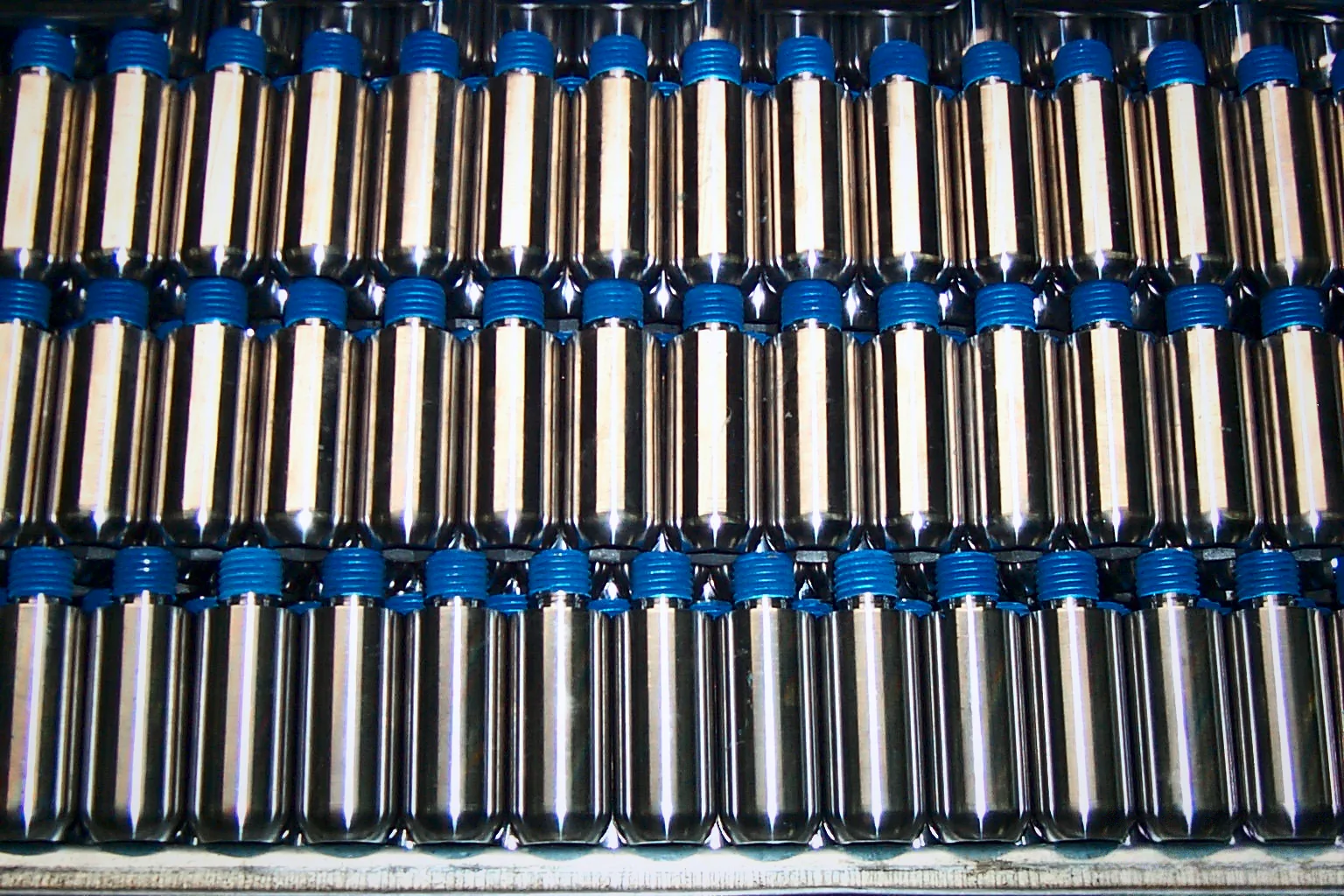
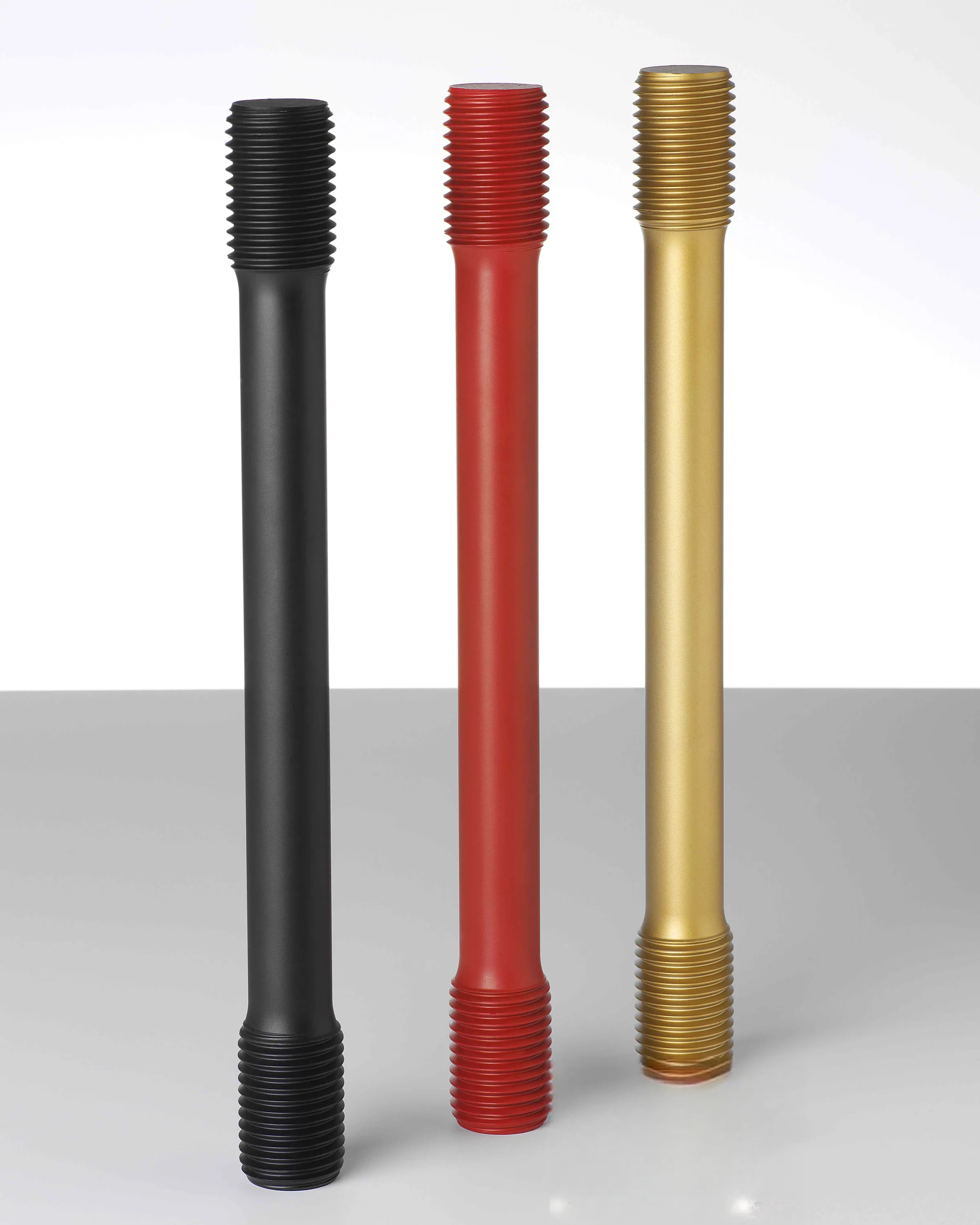
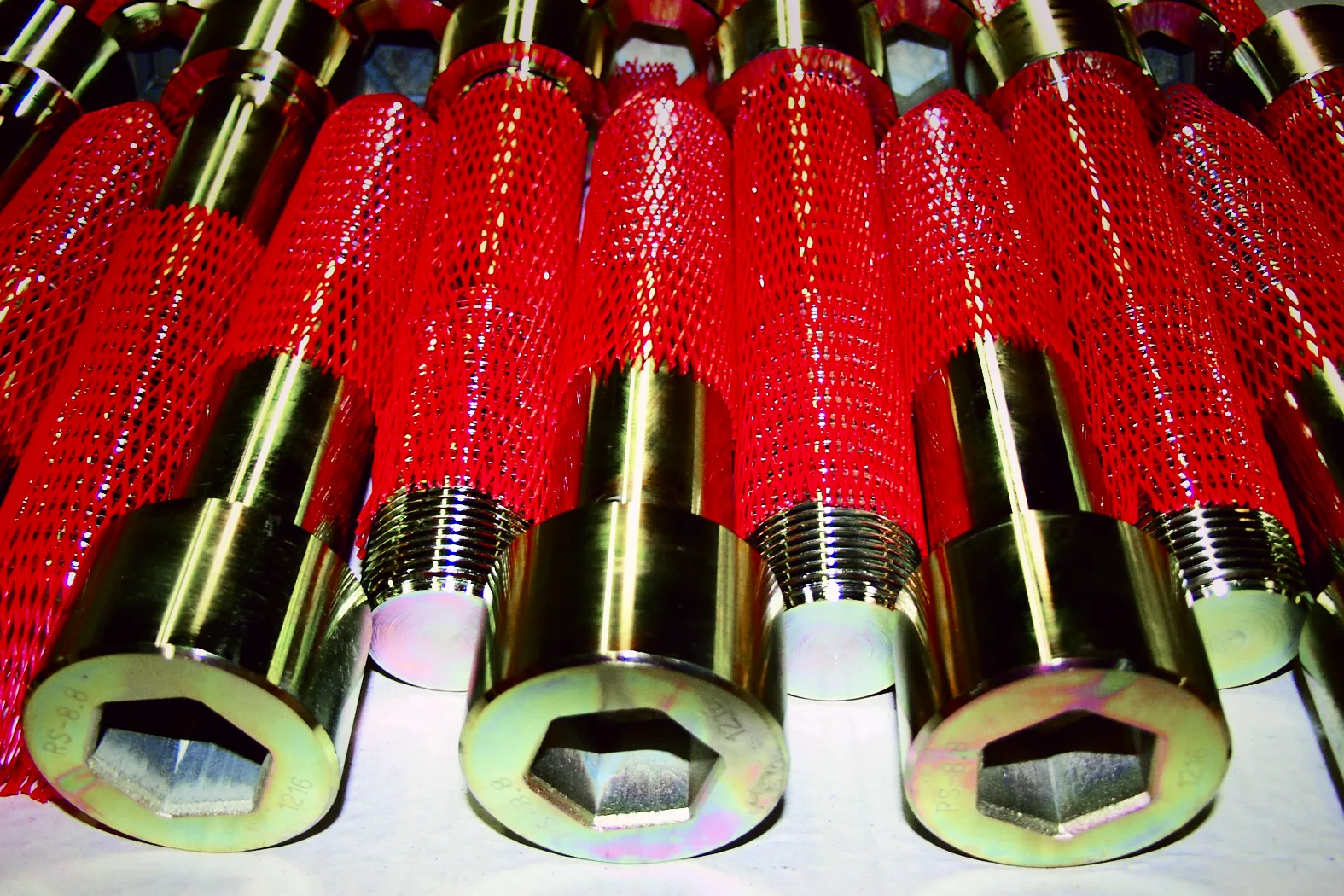
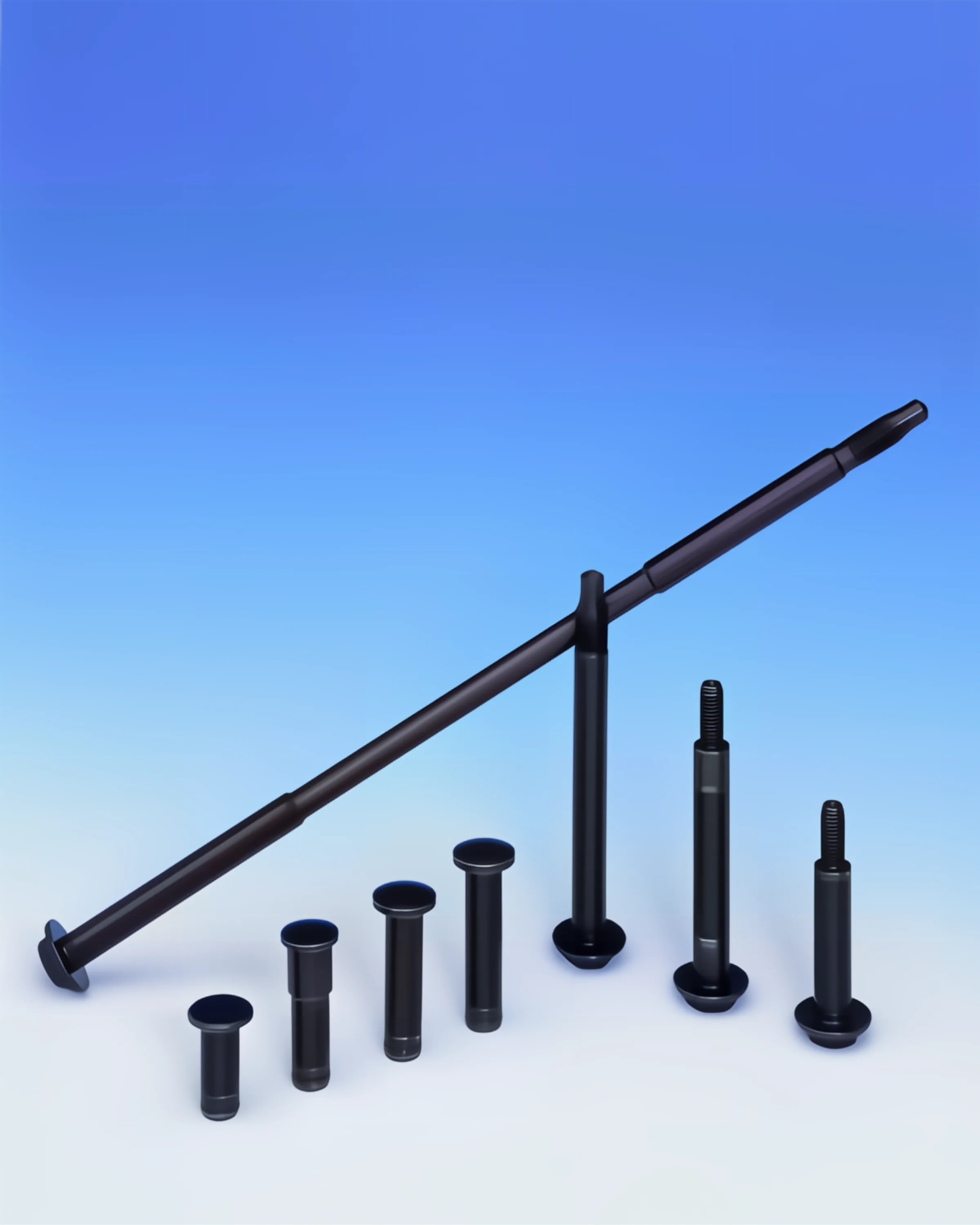
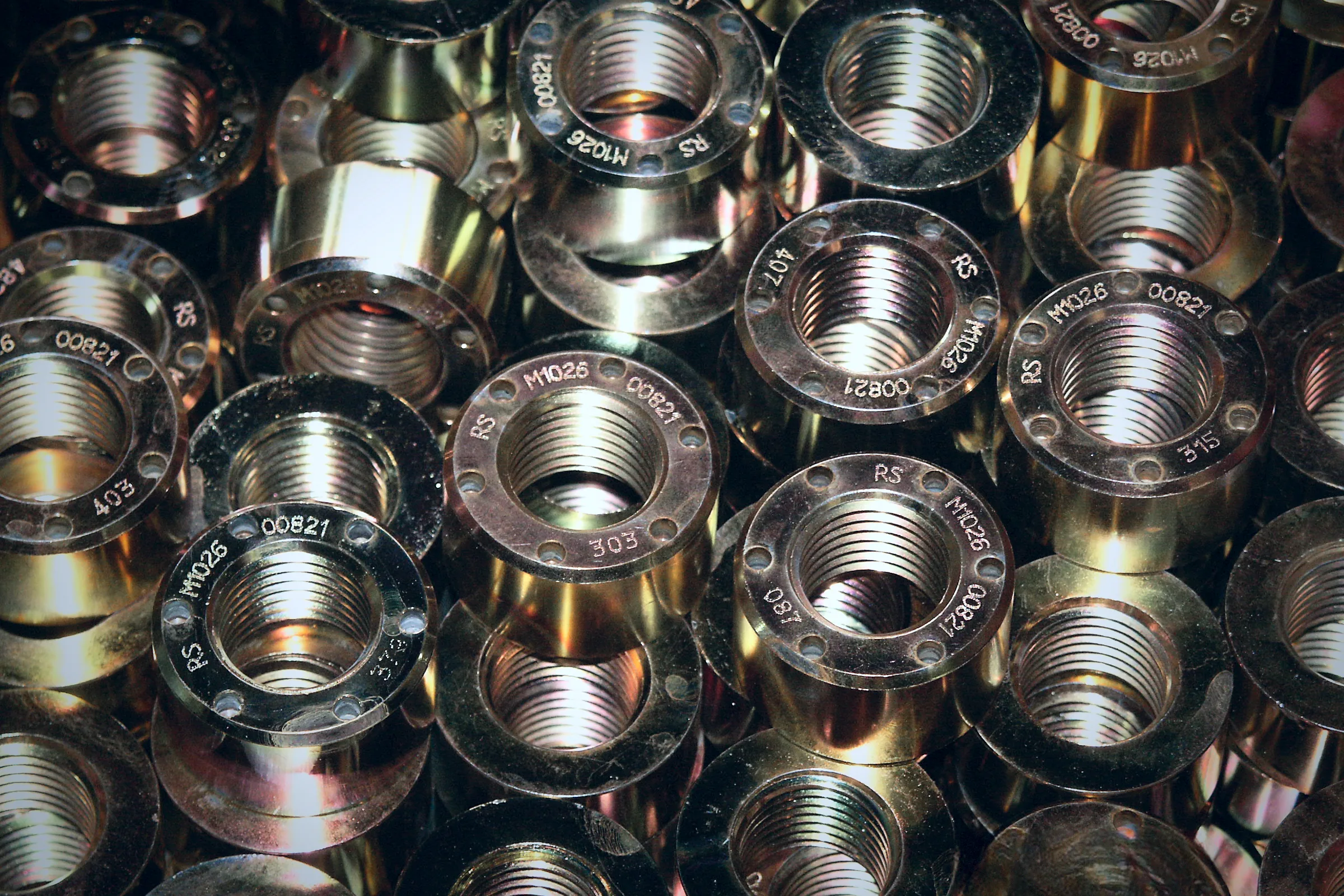
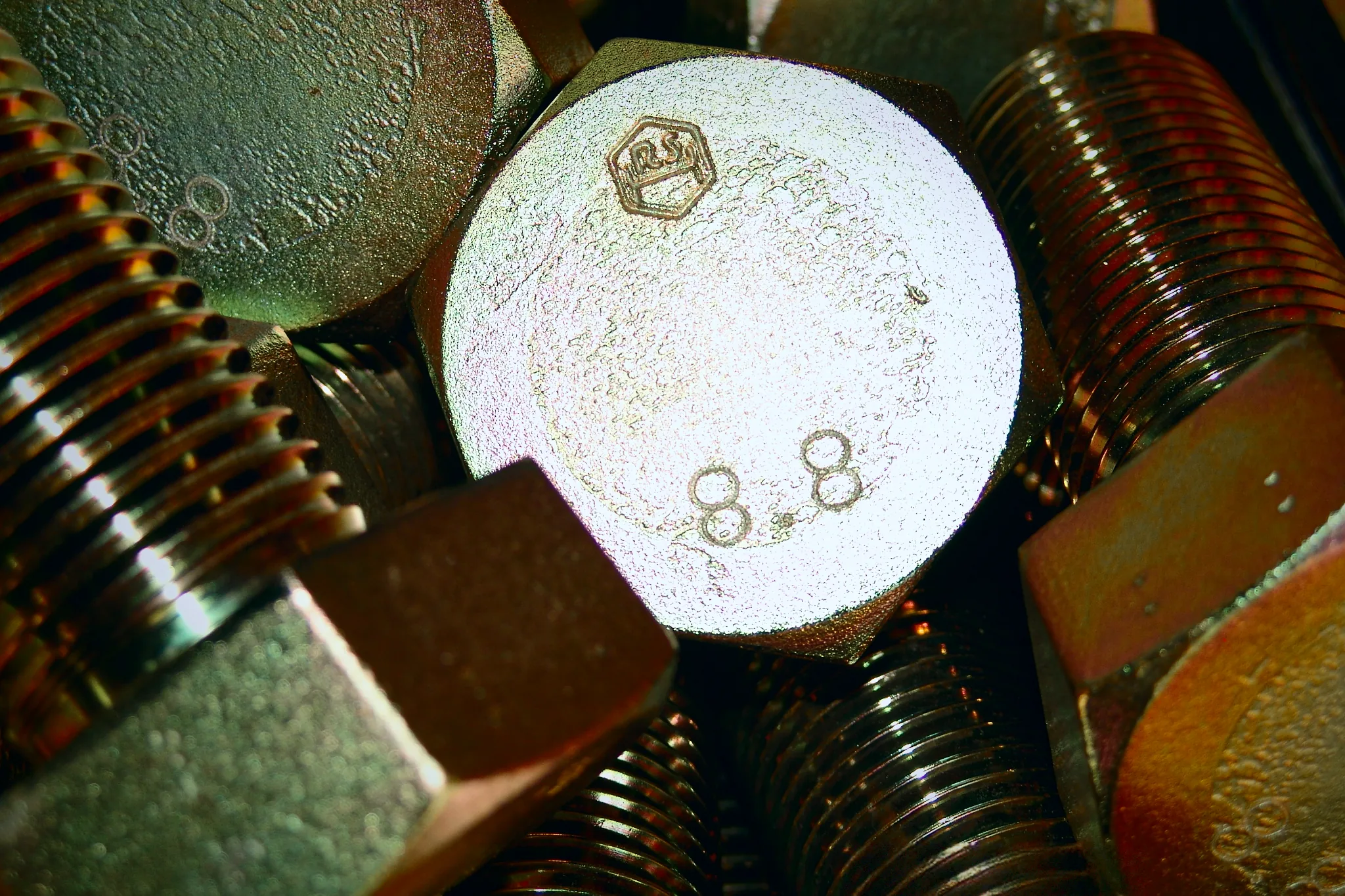
Around one in three parts leaves RS Randack with a coating. Electroplated zinc and zinc-nickel, zinc flake systems, fluoropolymer anti-friction coatings over manganese phosphate, phosphating, black oxide, nickel plating and hot-dip galvanising are carried out by qualified coating partners with whom RS Randack has worked for many years. Deciding what is coated, preparing the thread and inspecting afterwards all stay in-house. In total, more than 50 coatings are available.
50+
Coatings
1,000 h
Neutral salt spray, depending on system
6g
Within gauge after coating
0
Hydrogen input with zinc flake
Which coating for which application?
- Zinc flake systems: High corrosion protection, salt spray resistance ranging up to more than 1,000 hours depending on the system, no electrolytic process and therefore none of the hydrogen input associated with zinc electroplating, which makes them the first choice for property classes 10.9 and above. Available with a defined friction coefficient.
- Electroplated zinc and zinc-nickel: Proven corrosion protection for parts up to 8.8; for high-strength parts only with baking and at the customer’s request, see Hydrogen embrittlement.
- Fluoropolymer anti-friction coatings over manganese phosphate: For stud bolts and flange bolts in the chemical, petrochemical, oil and gas and offshore industries. Low, consistent friction coefficient for controlled preload, easy to disassemble even after years, resistant to chemicals and salt water.
- Manganese phosphating and black oxide: Dark conversion coatings as an assembly aid and light corrosion protection, often with oil.
- Hot-dip galvanising: For steel construction and infrastructure, with a thick zinc layer; threads are produced with an allowance for it.
Selection depends on the service environment, required salt spray resistance, friction coefficient and assembly temperature, operating temperature and the property class of the part.
What we do in-house before coating
RS Randack rolls the threads of parts to be coated to the lower tolerance limit; even the blank diameter is designed for this. As a result, the gauge fits after coating in almost all cases, without the thread needing rework. Nuts are given a thread allowance. Before dispatch to the coating partner, every part is counted, marked and documented with the works order; crack testing takes place before coating so that the bare part is inspected.
What we check on return
- Coating thickness by non-destructive measurement on samples; in case of doubt or at the customer’s request, on a cross-section prepared by an accredited laboratory, so that the evidence is independent.
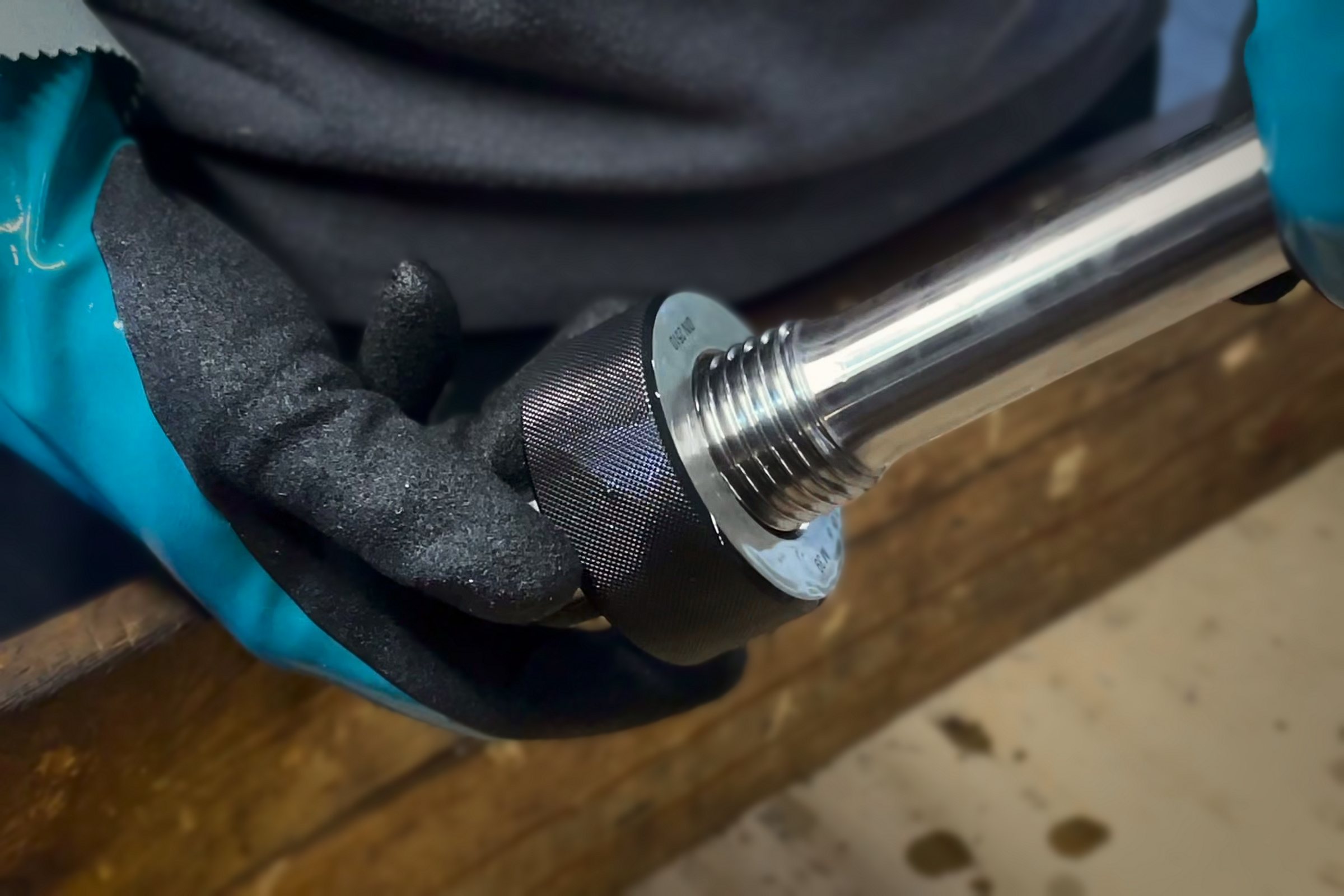
- Thread gauging with a ring gauge or gauge nut, checked against the lower tolerance limit.
- Appearance and completeness of the coating, including at the thread root and in holes.
- Baking after electroplating of high-strength parts, carried out by the partner and recorded on the works order.
Partners are selected on the basis of ISO 9001 certification and trial orders, and for nuclear technology on the basis of our own audit. If a customer specifies a coater, that coater is brought in.
Coating and certificate
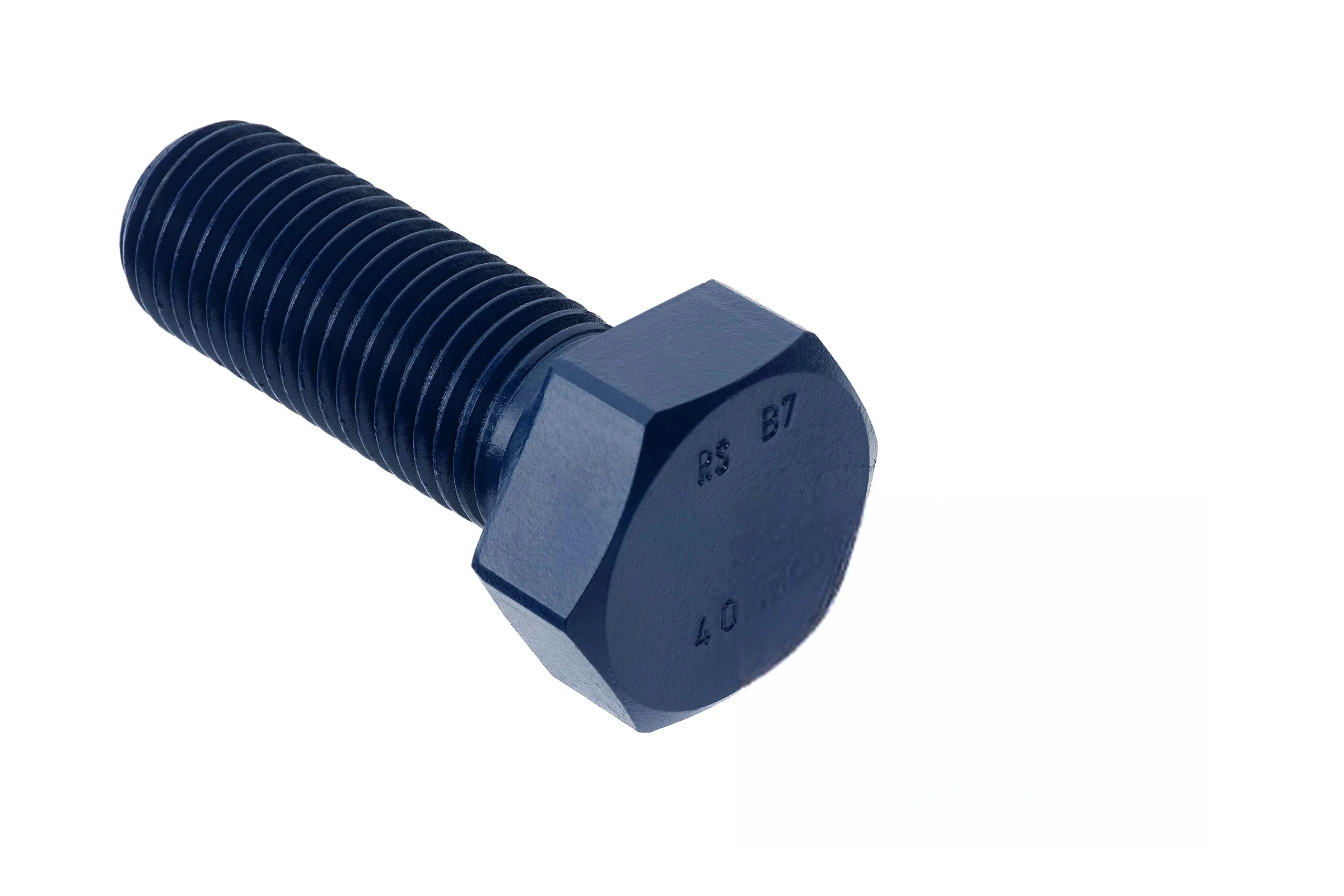
On request, the coating type, nominal coating thickness and measured values are documented in the 3.1 or 3.2 inspection certificate or in a coating report. For anti-friction coatings with a specified friction coefficient range, RS Randack also supplies the coating system data.
What you should specify
Coating system or service environment, required salt spray resistance in hours, friction coefficient or tightening method, coating thickness, colour, whether the thread must gauge to 6g after coating or may be oversize, and the property class of the part.
Frequently asked questions
Questions and answers about surface treatment
Does RS Randack coat in-house?
The coating itself is carried out by long-standing, qualified partners. Thread preparation, checks of coating thickness and thread gauging, and documentation are handled by RS Randack in Hagen.
Which coating is right for 10.9 and 12.9 bolts?
Zinc flake systems or anti-friction coatings on a phosphate base, because they introduce far less hydrogen into the steel than zinc electroplating. RS Randack supplies electroplated high-strength parts only on request and at the customer’s risk.
Will the nut still fit after coating?
Yes. The external thread is rolled to the lower tolerance limit, and nuts are given an allowance. Thread gauging is checked on return.
Enquire about coated special fasteners to drawing
Urgent? You will hear from us within a few hours.