
Knowledge base
PTFE anti-friction coating and the coefficient of friction
Why the coating determines how much of the torque becomes preload
Term explained
Why the coating determines how much of the torque becomes preload
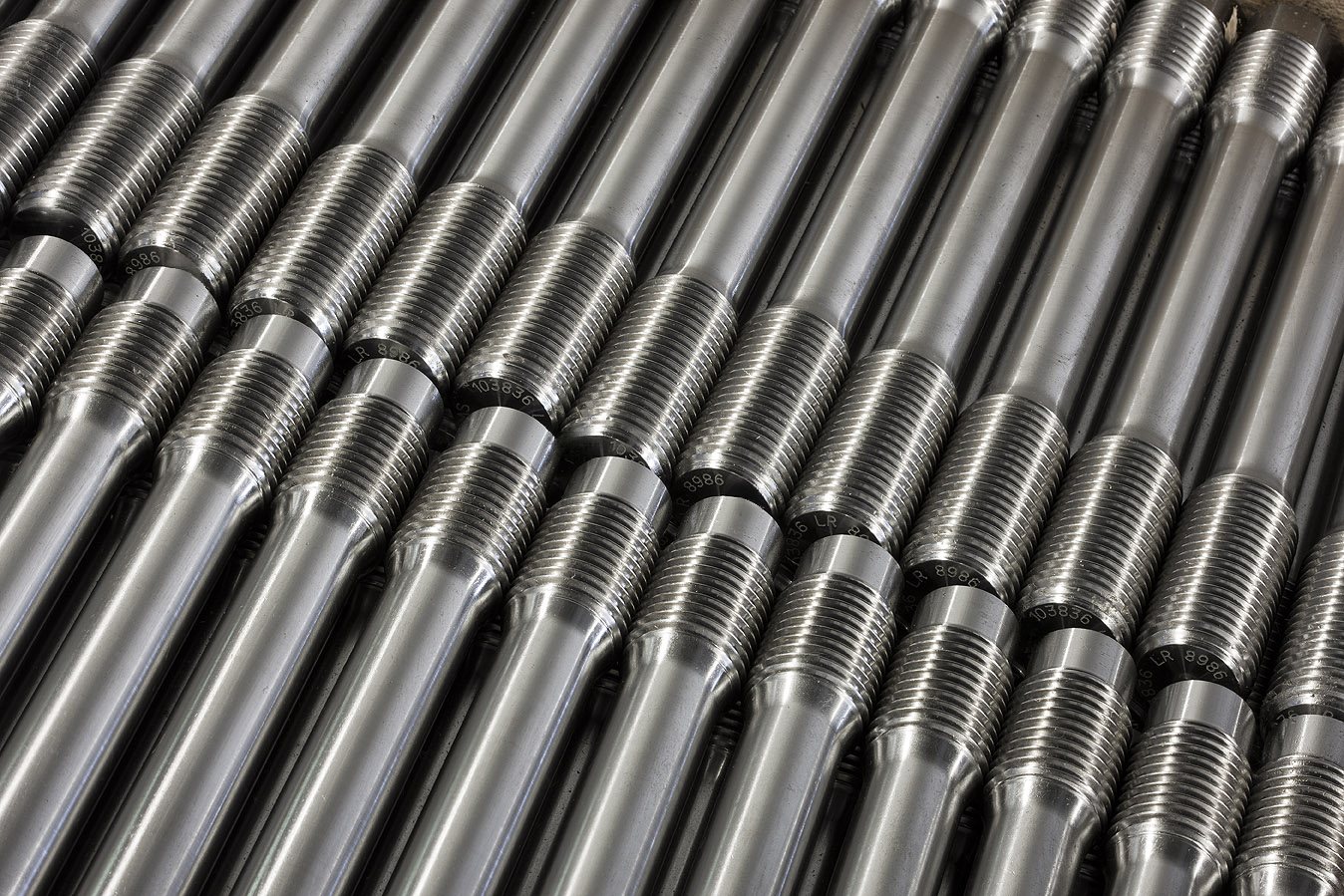
An anti-friction coating is a thin fluoropolymer coating, usually PTFE, with binder and colour pigment, which is applied over a phosphate or zinc flake base coat and then cured. It is 15 to 25 µm thick, available in colours such as blue, yellow, green or black, and withstands continuous temperatures from approximately –100 °C to 260 °C. Its purpose: to reduce friction in the thread and under the nut, prevent galling, keep corrosion at bay and ensure the joint can still be undone even after years outdoors.
Why the coefficient of friction matters so much
When tightening with torque, most of the torque is lost to friction; only around a tenth generates preload. If the coefficient of friction varies, the preload varies accordingly: a bright, dry bolt with a coefficient of friction of 0.2 and the same bolt with an anti-friction coating at 0.08 reach completely different forces with the same torque, and the second one may be overstretched. That is why coating manufacturers specify a friction coefficient range, for example 0.08 to 0.12 or 0.10 to 0.16, tested to ISO 16047, and the fitter converts the tightening torque accordingly. Drawings and specifications state the range, and coating, nut and washer must match it as an assembly.
Where anti-friction coatings are used
Stud bolts and flange bolts in refineries, chemical plants, offshore platforms and power plants, joints with a specified coefficient of friction in wind turbines and rolling stock, parts that have to be dismantled after years in salt water or chemical atmospheres. Typical requirements are 1,000 hours in the neutral salt spray test and a coefficient of friction to customer specification.
How RS Randack goes about it
Production and marking in-house, manganese phosphate at the first partner, anti-friction coating at the second, then return to Hagen for inspection of appearance, coating thickness and thread gauging; the thread is designed for the coating layers from the outset. Nuts are coated as well so that the friction coefficient range applies to the assembly. The coating certificate and, on request, the partner’s verification of the coefficient of friction are enclosed with the inspection certificate.
What you should specify
Coating system or specification, colour, friction coefficient range, salt spray hours, service temperature, whether nuts and washers are to be coated as well, certificate type.
Enquire about anti-friction coated stud bolts in your colour
Urgent? You will hear from us within a few hours.