
Knowledge base
Preload and tightening torque
What really holds a bolted joint, and why torque is only an indirect measure
Term explained
What really holds a bolted joint, and why torque is only an indirect measure
A bolted joint holds not because of the thread, but because of the force with which it clamps the components together: the preload. During tightening, the bolt is stretched like a spring and the components are compressed; as long as the operating force remains lower than the preload, the surfaces stay in contact, the joint remains tight and does not slip, and the bolt feels only a small part of the alternating load. The aim of assembly is therefore to achieve a defined preload, usually about 70 to 90% of the bolt’s yield strength.
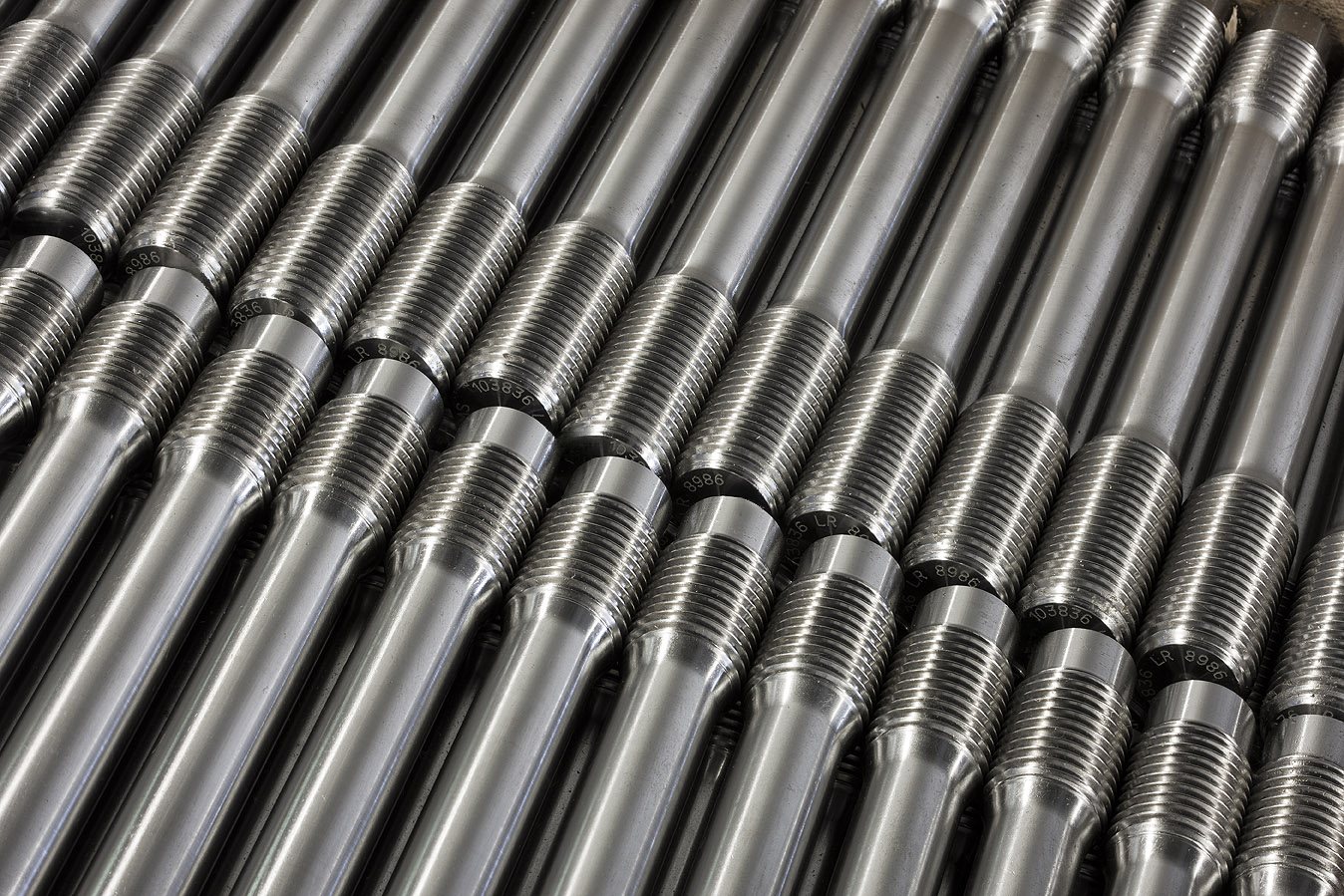
From torque to force
Tightening torque is the usual means of generating preload, but an unreliable one: about 90% of the torque is consumed by friction in the thread and under the head or nut, and only around 10% stretches the bolt. Depending on surface finish, lubrication and coating, the friction coefficient varies between 0.08 and 0.25, and the force achieved varies with it. That is why specifications call for a coating with a friction coefficient range, and why the torque tables in catalogues are valid only for the friction coefficient stated.
Tightening methods
- Torque-controlled: Simple, but with the greatest scatter.
- Angle-controlled: After the snug torque, the nut is turned through a fixed angle; largely independent of friction.
- Yield-controlled: The tool detects when the bolt begins to yield; makes full use of its strength.
- Hydraulic tensioning: A tensioning cylinder stretches the bolt and the nut is run down without friction; standard for large flanges, turbines and wind energy installations, but it requires an extended thread end on the bolt.
- Length or ultrasonic measurement: The elongation is measured directly; the most accurate method.
Maintaining preload
Embedding of the surfaces, creep at temperature and thermal expansion all reduce the preload in a joint. Long, elastic bolts lose less preload than short, stiff ones: reduced-shank bolts to DIN 2510 and spacer sleeves are designed for exactly this purpose. Rolled threads and forged heads ensure that the bolt withstands the high preload over the long term.
What you should specify
Required preload or tightening method, friction coefficient range and coating, property class, clamp length, operating temperature; for hydraulic tensioning, the thread protrusion for the tensioning cylinder.
Enquire about fasteners for defined preload
Urgent? You will hear from us within a few hours.