
Knowledge base
Baking after electroplating
Why high-strength bolts are heated after zinc plating, and what this can and cannot do
Term explained
Why high-strength bolts are heated after zinc plating, and what this can and cannot do
During zinc electroplating, nickel plating or pickling, the steel absorbs atomic hydrogen. In high-strength bolts, this hydrogen can accumulate at notches and stress peaks and trigger brittle fracture hours to days after tightening; this is known as hydrogen embrittlement. Baking, also known as hydrogen de-embrittlement or hydrogen embrittlement relief, is the countermeasure: ideally within a few hours of coating, the parts are heated to around 200 °C for several hours so that the hydrogen diffuses out of the steel. ISO 4042 describes the coating and the procedure, ISO 15330 the test for embrittlement.
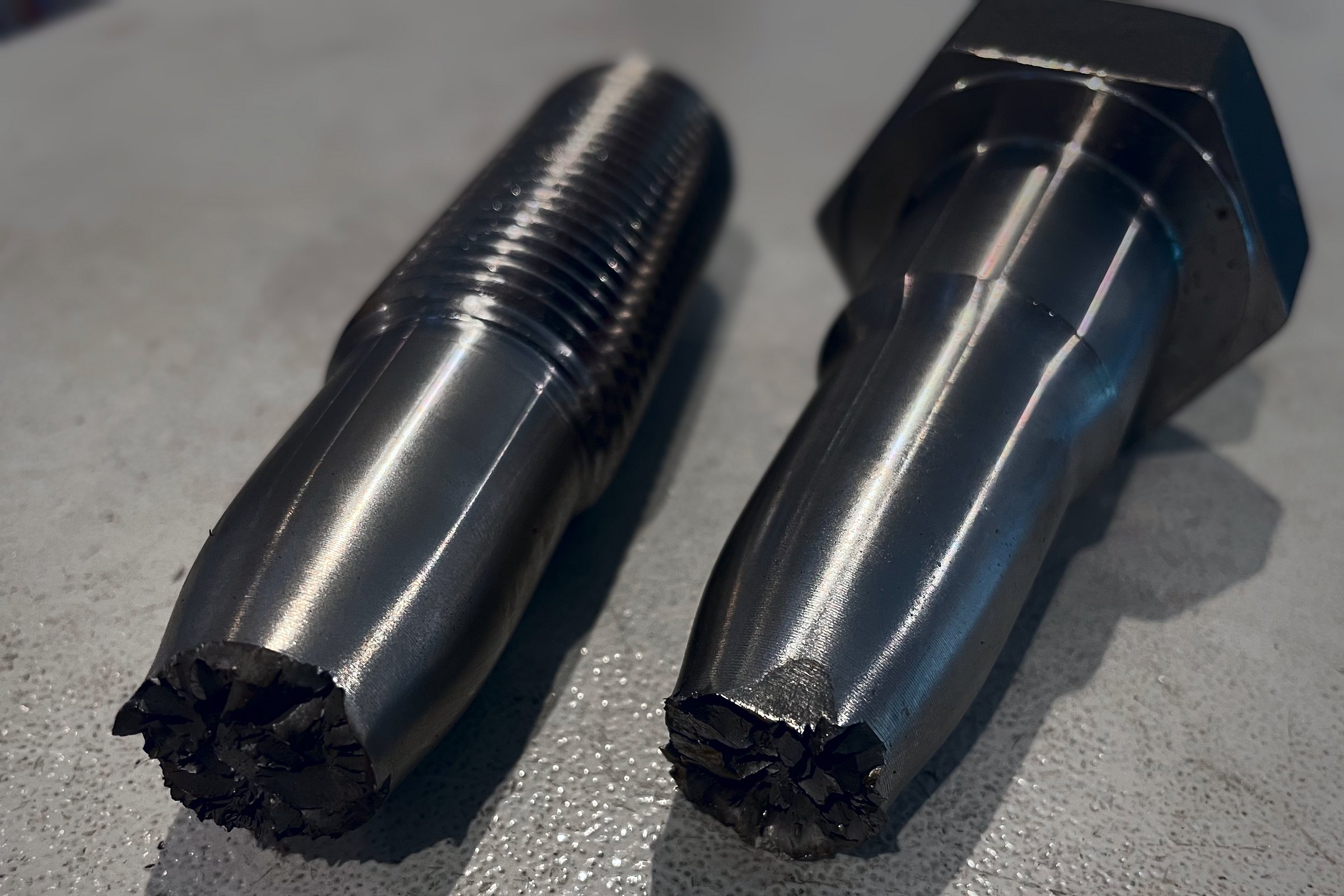
What baking can and cannot do
Baking significantly reduces the risk but does not eliminate it, because the zinc layer also prevents the hydrogen from escaping and because pickling, coating thickness and the time until baking also play a part. For bolts with a tensile strength of approximately 1,000 N/mm² and above, i.e. 10.9 and 12.9, and for hardened parts from approximately 320 HV, RS Randack therefore applies the following rule: electroplated zinc coatings are only applied at the express request and at the risk of the purchaser, and every quotation states this. The processes themselves, including baking, are carried out by the coater; RS Randack inspects the parts on their return.
Better options for high-strength parts
Zinc flake coating without pickling and without electric current, manganese phosphate with anti-friction coating, hot-dip galvanising for 8.8, or stainless materials instead of coated steel. Which coating is suitable depends on strength, environment, friction coefficient and assembly; the surface treatment page and the articles on the individual coatings provide an overview.
Baking and tempering
In everyday German usage, the word “Tempern” is also used for tempering after hardening. It then refers to a step in quenching and tempering at 450 to 650 °C, not hydrogen de-embrittlement baking at 200 °C. Drawings and enquiries should therefore state which process is meant.
What you should specify
Property class, required coating, service environment, whether an embrittlement test to ISO 15330 is required and, for electroplated coatings on high-strength parts, your express approval.
Get advice on coatings for high-strength bolts
Urgent? You will hear from us within a few hours.